Roof Flashing Repair: Signs, Solutions & How to Prevent Leaks
Every home tells a story. But when water starts to sneak in through your ceiling, that story gets stressful, fast. Leaks can feel like a plot twist you never saw coming—unexpected, messy, and expensive if ignored.
At Associated Roofing, we know how a small detail like flashing can make or break your roof’s defense. Understanding what flashing is, how to spot trouble, and when to act is your first line of protection.
What Is Roof Flashing? 🏠
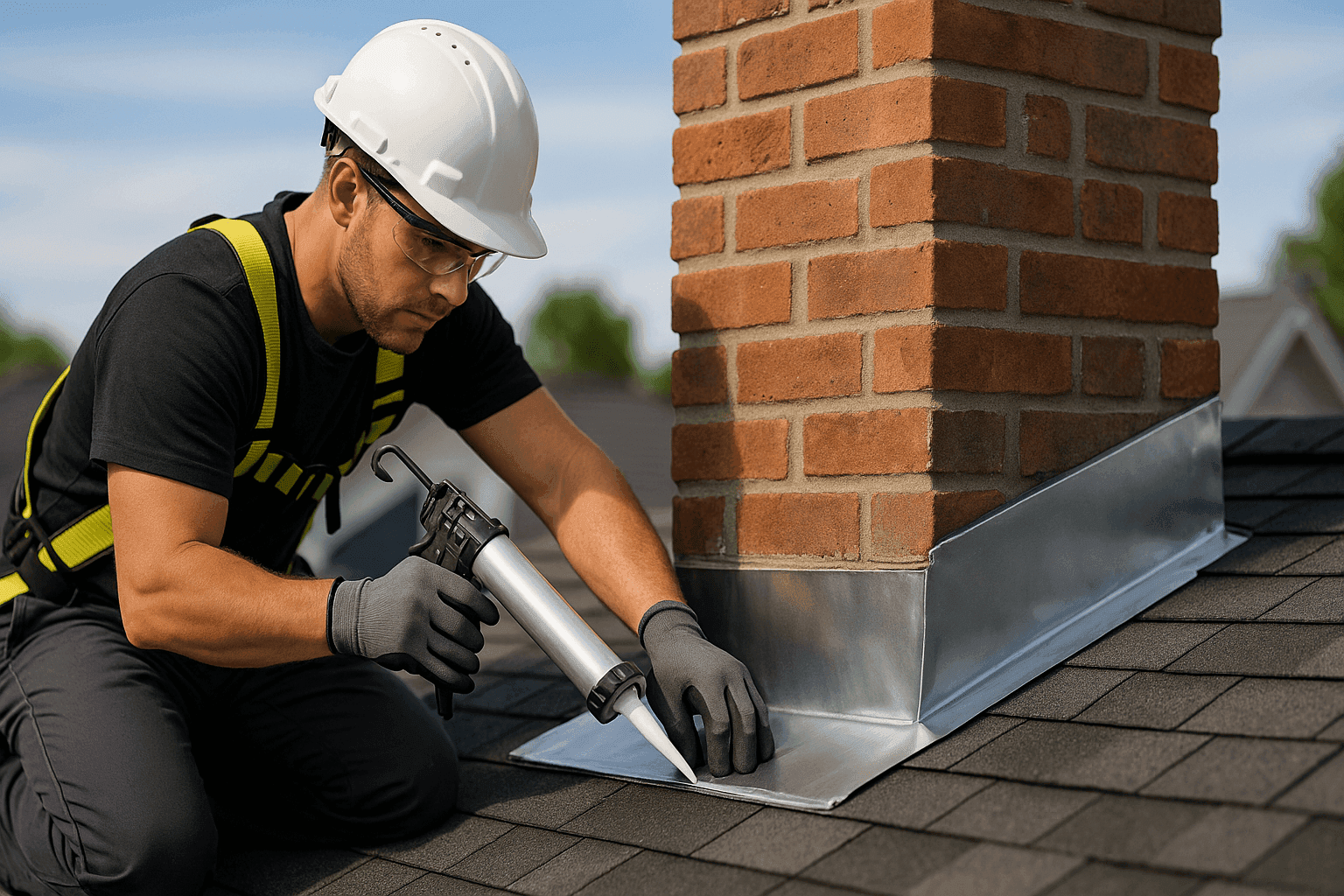
Imagine your roof as a raincoat. The fabric keeps you dry, but the seams—where sleeves meet the body, or a zipper runs down the middle—are weak spots. Flashing is the waterproof tape for your roof’s seams. It’s installed anywhere two surfaces meet, like where the roof touches a wall, around chimneys, skylights, vents, and valleys.
Common flashing materials include:
- Galvanized steel (sturdy, rust-resistant)
- Aluminum (lightweight, affordable)
- Copper (durable, ages beautifully)
- Rubber or plastic (for some flat roofs and tricky details)
You’ll find flashing tucked under shingles, snaking around chimneys, and sealing skylight edges. Its job? Keep water from slipping in where it shouldn’t.
Without properly installed or maintained flashing, even a brand-new roof can let water creep under the surface—leading to rot, mold, and costly repairs. According to the International Residential Code (IRC), correct flashing is a must for any new roof or repair job.
Common Signs of Flashing Damage
Not sure if your flashing is in good shape? Look for these signals:
- Rust or corrosion: Metal flashing may turn orange, flake, or pit as rust eats away.
- Separation or gaps: Flashing can pull away from walls or roofing, leaving cracks for water.
- Bent or warped flashing: Wind, hail, or settling can twist metal out of place.
- Water stains inside: Brown marks on ceilings or walls—especially near chimneys or skylights—often mean flashing is leaking.
- Missing shingles nearby: Shingles that have blown off can expose flashing beneath.
- Damp attic insulation: Wet spots above ceiling lines can point to flashing leaks.
- Moss or mold growth: Persistent moisture along flashing edges can signal trouble.
If you see any of these, it’s time for action. Flashing issues rarely fix themselves.
DIY Inspection Steps
You don’t need a ladder and nerves of steel to do a quick check. Start with what you can see safely from the ground or an upstairs window.
- Walk around your home after rain. Look for streaks on siding, water stains under eaves, or puddles near the foundation.
- Check your attic. Use a flashlight to inspect for damp insulation, stained wood, or moldy smells.
- Scan ceilings and top-floor walls. Water stains, bubbling paint, or peeling wallpaper can signal a leak.
- Binoculars help! From the ground, look for bent, loose, or missing flashing—especially around chimneys, valleys, and roof edges.
Safety tip: Never climb on your roof unless you’re trained and have the right equipment. Falls are the #1 cause of homeowner injuries during roof checks.
When to Seek Professional Help 🛠️
Some repairs are best left to those with the right tools (and insurance). Call a roofing company like Associated Roofing if:
- You see obvious gaps, rust, or missing flashing.
- There are leaks you can’t trace—or multiple wet spots.
- Your roof is steep, high, or slippery.
- You’re prepping for storm season or selling your home.
- You want a full inspection, including decking, underlayment, and ventilation.
A pro can spot hidden damage, recommend the right material, and fix it to last—meeting all local building codes and manufacturers’ guidelines.
Typical Flashing Locations
Knowing where to look helps you catch leaks early. Flashing is usually found:
- Around chimneys (chimney flashing)
- At roof valleys (where two slopes meet)
- Around skylights and dormers
- At vent pipes and exhaust fans
- Where the roof meets a wall (step flashing)
- Along edges where shingles end
Each area has its own risks. For example, chimney flashing often needs more maintenance than step flashing, since brick and mortar move with the weather.
What to Expect During a Flashing Repair Visit
When you call Associated Roofing, here’s what happens:
- Assessment: Our team inspects the problem area and the surrounding roof, inside and out.
- Material match: We select flashing material to match your roof—steel, aluminum, copper, or specialty types.
- Removal: Damaged or corroded flashing is carefully taken out.
- Prep & install: We check for rot or mold, repair as needed, and install new flashing using best practices (per NRCA standards).
- Sealing: Joints are sealed with roofing caulk or appropriate sealants.
- Test: We may run water over the repair to confirm it’s watertight.
- Clean-up: Debris and old materials are removed, leaving your property tidy.
Expect the work to take anywhere from an hour to half a day, depending on the location and extent of damage.
Preventive Maintenance & How Timely Repairs Save Money
Think of flashing like the oil in your car—you don’t notice it until there’s a problem, but regular checks keep everything running smoothly. Here’s how to stay ahead of leaks:
- Schedule yearly roof inspections—ideally before heavy rain or snow season.
- Keep gutters clean so water can flow off your roof, not pool around flashing.
- Trim back tree branches to prevent wind damage and falling debris.
- Check after storms for missing shingles or bent flashing.
- Ask for flashing upgrades if you’re replacing your roof—modern materials last longer and offer better protection.
Catching minor flashing damage early often means a quick fix instead of a major repair. It’s like patching a tiny hole in a boat before it becomes a leak.
Costs & Time Factors
Roof flashing repair costs vary by material, extent of damage, and roof complexity. Generally, small repairs are affordable—think hundreds, not thousands, for most homes. Larger jobs (around chimneys or multiple valleys) cost more.
Time-wise, most repairs take less than a day. If underlying wood is rotted, allow extra time for structural repair.
When It’s an Emergency 🚨
A leak during a heavy storm, water pouring in near electrical fixtures, or a sudden ceiling collapse is an emergency. Fast action reduces damage. Place buckets to catch drips, move belongings out of harm’s way, and call for emergency roofing services right away.
FAQ
How often should flashing be inspected?
At least once a year, and after major storms.
Can all flashing be repaired, or does it need replacing?
Minor rust or sealant cracks can be patched, but badly corroded or loose flashing should be replaced for safety.
Is flashing repair covered by home insurance?
Damage from storms may be covered—check your policy and document with photos before repairs.
Why can’t I just caulk over old flashing?
Caulking is a temporary fix. If the metal is rusted or loose, water will find its way in.
Local & Seasonal Considerations
Your roof faces different challenges depending on the season. In winter, freeze/thaw cycles can pop flashing out of place. Spring rains exploit the tiniest gaps. Summer sun speeds up metal wear. In areas with lots of trees, falling limbs and leaves clog gutters and push water where it shouldn’t go.
Scheduling inspections before rainy or snowy seasons gives you peace of mind. If you have skylights, chimneys, or a complex roofline, extra vigilance pays off.
Leaks don’t wait. Neither should you. For reliable flashing repair, inspections, or preventive maintenance—including Decking near you—reach out today.
Call Associated Roofing now — or reach us anytime at 855-525-5698 .