Roof Replacement vs. Repair: How to Decide What’s Best for Your Home
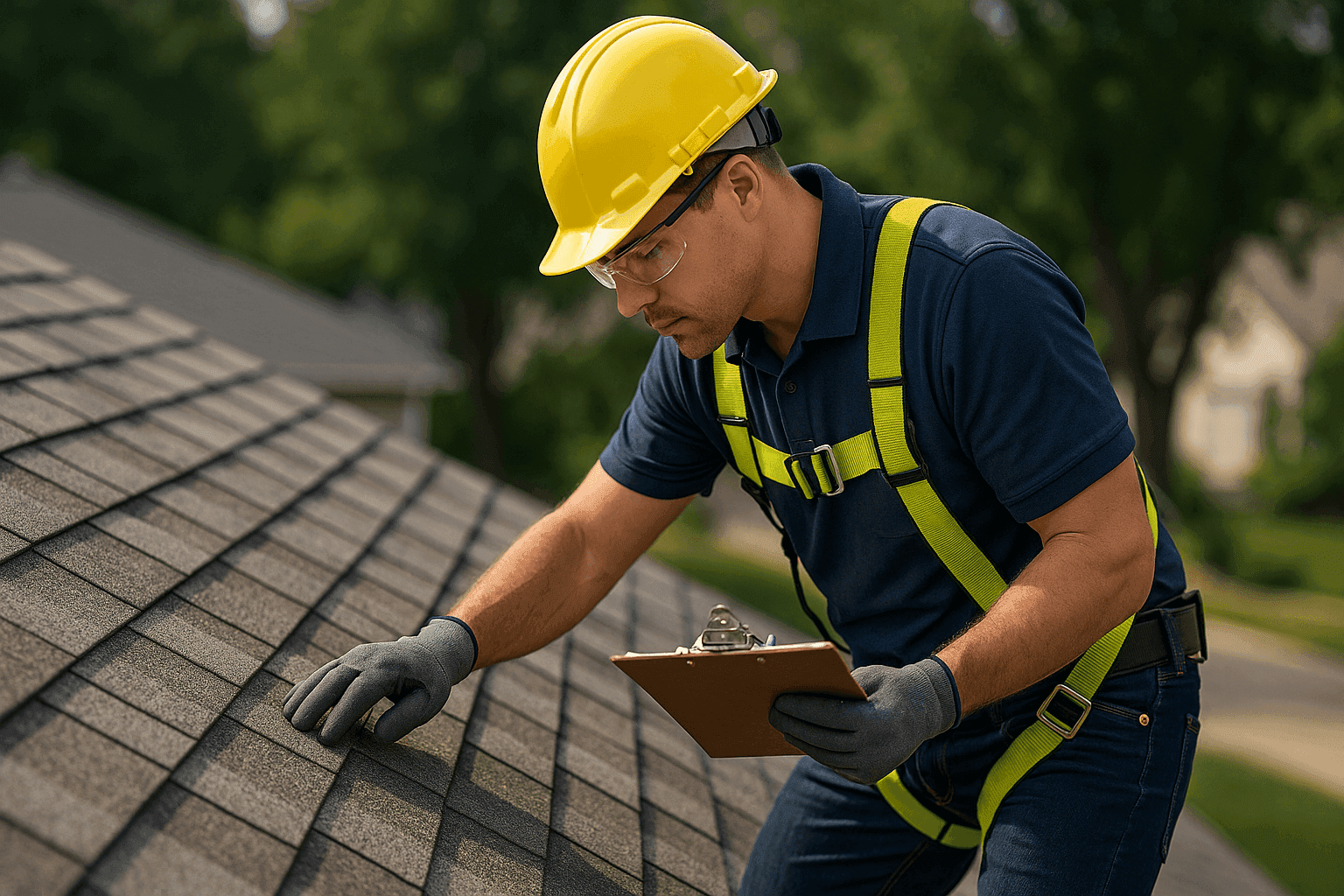
When your roof starts to show its age, the stakes feel high. A few missing shingles. A drip, drip, drip after every storm. It’s easy to feel overwhelmed and wonder: do I patch things up or start over? You’re not alone—homeowners everywhere face this crossroads.
At Associated Roofing, we’ve helped countless families navigate this exact decision. We know a roof isn’t just another part of your house. It’s what stands between you and the weather. Let’s walk through how to decide—repair or replace? And how to do it with confidence.
When Is Roof Repair Sufficient? 🛠️
Sometimes, a few fixes are all you need. Think of your roof like a favorite pair of jeans. If there’s just a small tear, a patch brings them right back to life. The same goes for roofing.
Repairs make sense when:
- Damage is minor or localized—a few cracked shingles, a leaking skylight, or a loose flashing.
- Roof is relatively new—most asphalt shingle roofs last 15–20 years; metal and tile can last even longer.
- Your roof deck and structure are sound—no signs of rot, sagging, or water stains inside your attic.
- Storm damage is limited—for example, a single branch puncture or light hail bruising.
Common repairable issues include:
- Small leaks or wet spots after rain
- Blown-off shingles after wind gusts
- Flashing damage around chimneys or vents
- Clogged or detached gutters and downspouts
If your roof still has plenty of life left, repairs can buy you years of peace of mind. According to the International Association of Certified Home Inspectors, routine fixes can help stretch your roof’s lifespan—especially with regular inspections.
Signs You Need a Full Replacement
But sometimes, repairs are just a bandage on a bigger problem. Here are clear warning signs that it may be time for a new roof:
- Widespread curling or missing shingles—if large areas are affected, patching won’t hold up.
- Granules collecting in gutters—as shingles break down, they shed protective grit, leaving your roof exposed.
- Visible sagging—this points to structural trouble in the decking below.
- Daylight through roof boards or attic leaks—persistent water damage can rot the underlayment.
- Roof is at or past its expected lifespan—asphalt shingles (15–20 years), wood shakes (20–30 years), metal roofing (40+ years), tile (50+ years).
Also watch for:
- Repeated repairs in the same area
- Mold, mildew, or staining on ceilings and walls
- Rising energy bills (poor insulation or ventilation)
- Storm damage that covers more than 30% of the surface
Building codes, such as those from the International Residential Code (IRC), often require a full replacement if more than two layers of roofing are present.
If your roof is the umbrella keeping your house dry, sometimes the fabric is just too worn for more patchwork.
Cost Comparison: Roof Repair vs. Roof Replacement
Let’s talk numbers. Homeowners often ask, “How much will this cost me?” The answer depends on the size, material, and extent of damage—but here’s how the two choices stack up:
- Repairs: Upfront costs are much lower. Fixing a few shingles, sealing leaks, or flashing repair is like changing a tire instead of buying a new car. But frequent repairs can add up over time, especially if issues keep returning.
- Replacement: A new roof is a bigger investment. But you get a fresh slate—no more chasing leaks, improved curb appeal, and often better energy efficiency. Long-term, you may save on repairs, insurance, and utilities.
Insurance and warranty factors:
- Homeowners insurance may cover replacement if damage is storm-related or sudden (not wear-and-tear).
- Many new roofs come with manufacturer warranties, some up to 30 years, which can add value and peace of mind.
- Repairs typically carry shorter labor warranties, if any.
Material type matters:
- Asphalt shingles are the most affordable to repair or replace.
- Metal, tile, and eco-friendly options (like cool roofs) cost more upfront but last longer.
- Specialty roofs (skylights, flat roofs, complex decking) may influence both cost and complexity.
In short? Repairs cost less now, but a replacement can bring bigger long-term value—especially once repairs start stacking up.
Long-Term Considerations: What’s Right for Your Home?
It’s not just about fixing today’s problem. Consider how your decision will play out years from now.
- Roof Age: If your roof is near the end of its expected life, repairs may only delay the inevitable. A new roof is an investment in your home’s future.
- Extent of Damage: Widespread issues—especially water damage beneath the surface—usually mean it’s time for a new start.
- Material Selection: Upgrading to metal or tile roofing might cost more, but can last generations and offer better storm resistance.
- Energy Efficiency: New roofs allow for updated ventilation, insulation, and eco-friendly options. This can keep your home cooler in summer, warmer in winter, and save on energy bills.
- Property Value: A fresh roof boosts curb appeal and resale value. Potential buyers often ask about roof age and recent replacements.
- Safety: Structural issues, hidden leaks, or damaged decking can threaten your home’s safety. Don’t gamble with your family’s shelter.
According to the National Roofing Contractors Association, a professional inspection is the best way to gauge your roof’s true health and lifespan.
How a Professional Roofing Assessment Helps
DIY inspections might spot the obvious, but pros catch what’s hiding under the surface. At Associated Roofing, our process looks like this:
- Visual inspection: Checking for missing, cracked, or curling shingles; examining flashing, skylights, and chimneys.
- Attic check: Searching for water stains, mold, or daylight peeking through boards.
- Decking, ventilation, and insulation: Ensuring the underlying structure and airflow are intact.
- Moisture scan: Using industry tools to detect trapped water or hidden rot.
- Detailed estimate: Clear, written breakdowns—no surprises.
A qualified assessment helps you avoid unnecessary work—and ensures you’re not missing signs that call for a full replacement. It’s like having a seasoned mechanic check your car before a cross-country trip.
Steps for Homeowners: Estimates & Avoiding Scams 🕵️
Choosing a roofing contractor is just as important as choosing between repair and replacement. Here’s how to protect yourself and your investment:
- Get several estimates—at least 2–3, with clear details on materials and labor.
- Ask for credentials—current licensing, insurance (including worker’s comp), and references.
- Request a written contract—with start/end dates, payment schedule, and warranty information.
- Beware of red flags:
- Pressure to sign on the spot
- Vague pricing or “one size fits all” quotes
- No local address or phone number
- Never pay in full upfront. A small deposit is normal; the rest should come after work is complete.
- Check reviews and ratings. Look for consistent service and responsiveness.
The Federal Trade Commission (FTC) recommends verifying contractor credentials and reading all paperwork before signing. If you’re ever unsure, hit pause and get a second opinion.
Final Thoughts: Making the Right Choice for Your Roof
Roofing decisions can feel daunting, but you don’t have to go it alone. Whether you need a quick repair, a new roof, gutter repair, or decking near you, the key is to weigh today’s needs against tomorrow’s peace of mind.
A sturdy roof protects everything beneath it—your family, your memories, and your investment. Take your time, ask questions, and always work with a professional who puts your safety first.
Call Associated Roofing now — or reach us anytime at 855-525-5698 .