How to Spot Roof Damage After a Storm: Homeowner’s Checklist
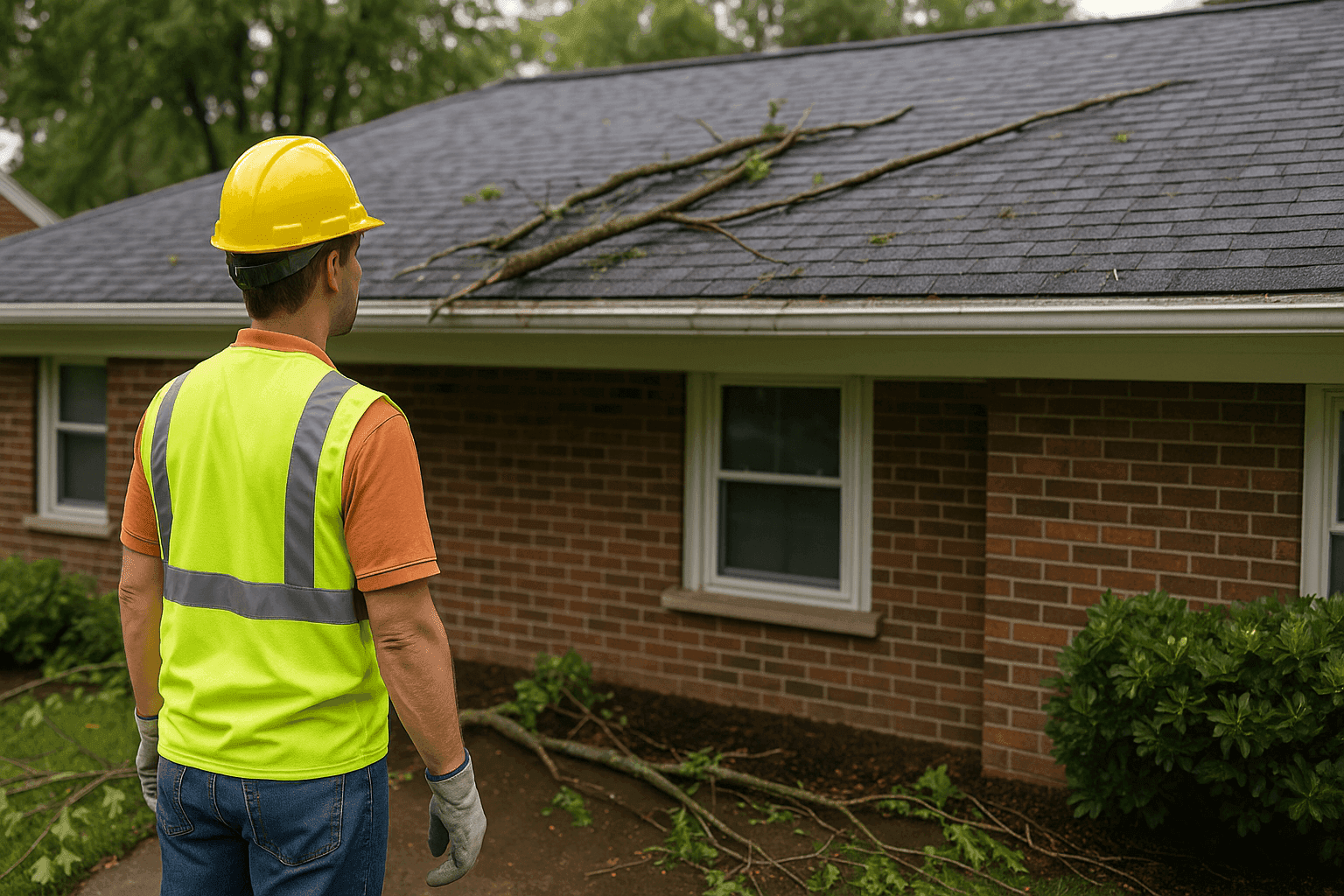
When storms hit, your roof takes the brunt of it. Wind, rain, hail—nature doesn’t pull any punches. If you’re like most homeowners, you worry about what’s overhead. Your roof is the shield for everything you care about inside.
After the skies clear, it’s tempting to breathe a sigh of relief and move on. But hidden damage can turn small leaks into big headaches. At Associated Roofing, we’ve seen it all—and we’re here to help you spot trouble early, protect your investment, and keep your family safe.
Immediate Steps After a Storm 🌧️
The storm has finally passed. Here’s what to do next—before you even think about grabbing a ladder.
- Check the weather: Wait until it’s truly safe. Never inspect your roof during ongoing storms or high winds.
- Walk around your home: Start with a slow lap around the house. Look for debris, fallen branches, or anything unusual.
- Take photos: Snap pictures of your yard, siding, and any visible roof damage. These can be vital for insurance.
- Listen carefully: Water dripping, strange creaks, or the sound of wind where it shouldn’t be—all are clues.
- Stay grounded: Resist the urge to climb onto the roof. Most damage can be spotted from the ground or inside your attic.
Key Signs of Roof Damage
A storm’s aftermath can leave marks both obvious and subtle. Here’s what to look for:
Visual Inspection from the Ground
- Shingle trouble: Missing, cracked, or curled shingles stand out like teeth knocked out of a smile.
- Flashing issues: Metal strips around chimneys, vents, and skylights should lie flat and tight. Bent or missing flashing is a red flag.
- Gutter drama: Sagging, detached, or overflowing gutters mean water isn’t draining right.
- Dark patches: Stains or streaks on roof or siding hint at water seeping in.
- Debris piles: Leaves, twigs, or shingle granules in gutters or at downspouts signal roof wear.
- Obvious holes or punctures: Hail, flying debris, or falling limbs can punch straight through.
Attic Inspection
- Wet spots or mold: Water stains, damp insulation, or musty smells often mean leaks.
- Daylight peeking in: If you can see sunlight through the roof boards, water can get in too.
- Dripping sounds: Listen for subtle hints, especially during the next rain.
What to Photograph for Insurance
- Wide shots of your roof and exterior
- Close-ups of damaged shingles, gutters, or flashing
- Interior signs: attic leaks, ceiling stains, or damaged insulation
- Fallen branches or storm debris near your home
Safety Precautions
Safety comes first—always. Every year, thousands are injured trying to DIY roof repairs. Don’t become a statistic.
- Never climb a wet or damaged roof. Even pros use harnesses and special footwear, as recommended by OSHA.
- Wear sturdy shoes and gloves. Protect against broken glass, nails, and slippery surfaces.
- Use binoculars, not ladders. You can spot most issues from the ground.
- Beware of downed power lines or unstable trees. Stay clear and call the proper authorities if you see hazards.
- Don’t ignore warning signs. If you smell gas, hear electrical crackling, or see sagging ceilings, get out and call emergency services.
When to Call a Professional Roofer
Some fixes are best left to those with the right tools and training. Here’s when it’s time to call Associated Roofing:
- Leaks or active water intrusion: Water moves fast and damages faster.
- Structural concerns: Sagging rooflines, cracked rafters, or walls out of square.
- Missing flashing or large areas of shingle loss: These leave your roof open to more damage.
- After major hail, wind, or tree impact—even if damage seems minor.
- If you’re filing an insurance claim: A pro’s assessment is often required and can speed up the process.
Remember, the National Roofing Contractors Association (NRCA) and International Building Code (IBC) both recommend professional inspections after severe weather events.
Your Storm Damage Checklist
Before You Start
- Wait until weather has cleared.
- Keep kids and pets indoors.
- Wear protective gear.
Ground-Level Inspection
- Walk the perimeter slowly.
- Check for missing or damaged shingles.
- Look for dented or bent metal roofing.
- Scan flashing at chimneys, skylights, and vents.
- Inspect gutters, downspouts, and surrounding landscaping.
- Note any debris or fallen limbs on or near the roof.
Attic & Interior Inspection
- Check attic for damp spots, water stains, or mold.
- Look for daylight through roof boards.
- Listen for drips or unusual sounds.
- Inspect upstairs ceilings and walls for new stains.
Temporary Protection
- Cover visible holes with a tarp, secured with wood strips or heavy objects. Avoid nailing directly into the roof, which can make things worse.
- Clear gutters and downspouts if safe to do so, preventing backup and further leaks.
- Move valuables away from leaks or water-prone areas.
What to Photograph
- Damaged shingles, flashing, or gutter sections
- Any storm debris (branches, hailstones, etc.)
- Water stains inside attic or on ceilings
- Wide shots of property for context
Actionable Advice & Common Mistakes to Avoid
- Don’t delay: The longer you wait, the more water can sneak in.
- Avoid patching with tape or caulk: These are only very short-term fixes.
- Never ignore minor damage: Small cracks can grow with every storm.
- Don’t climb on wet or steep roofs: Leave risky work to those with the right safety gear.
The Value of Timely Professional Assessment
A fast, thorough inspection can mean the difference between a simple repair and a major replacement. Insurance companies often require detailed, professional documentation to process claims smoothly. At Associated Roofing, we follow industry guidelines so you’re prepared for adjusters and protected from future problems.
Prevention & Maintenance
The best storm response starts before the clouds roll in.
- Seasonal inspections: Schedule checks every spring and fall.
- Keep gutters clear: Blockages lead to overflow and hidden leaks.
- Trim trees: Overhanging branches are hazards in high winds.
- Upgrade flashing and sealants: Modern materials last longer.
- Ventilation and insulation: These keep moisture at bay and extend your roof’s life.
Regular maintenance pays for itself—fewer leaks, lower costs, longer-lasting roofs.
Costs & Time Factors
- Inspections: Most take less than an hour, but thorough checks are worth the time.
- Minor repairs: Can often be completed within a day or two.
- Major damage: May require temporary protection (like tarping) followed by more extensive work.
- Insurance claims: Faster reporting and documentation means quicker resolutions.
- Delays: Waiting can multiply costs—water damage spreads quickly.
When It’s an Emergency
Some situations simply can’t wait.
- Active leaks during rain
- Ceiling sagging or at risk of collapse
- Electrical hazards or strong odors
- Multiple missing shingles or large holes from debris
Call for emergency roofing services right away. Protect what matters—your home, your family, your peace of mind.
Frequently Asked Questions
What if my roof looks fine but my neighbor’s is damaged?
Storms don’t hit every house the same way. Subtle damage can hide, so always inspect even if your roof “looks” okay.
Can I repair storm damage myself?
Patching small leaks or clearing gutters is possible, but anything involving climbing, structural work, or flashing is best left to professionals.
How soon should I call for a professional inspection?
Within a day or two, especially if you spot water inside or significant exterior damage.
Will my insurance cover storm damage?
Most homeowner’s policies cover sudden storm damage, but check your policy details and document everything—photos, notes, receipts.
Local & Seasonal Considerations
Storm patterns change with the seasons. In spring and summer, wind and hail are the main culprits. Fall brings heavy rains and clogged gutters. Winter storms can cause ice dams and heavy snow buildup. Always adjust your inspection checklist for the season, and watch for trouble spots unique to your area’s climate.
A storm can turn your world upside down in minutes. But with the right steps, you can protect your home and your future. When in doubt—or when you see signs of trouble—rely on the professionals who know roofing inside and out.
Call Associated Roofing now — or reach us anytime at 855-525-5698 .