Eco-Friendly Roofing Options for Today’s Homeowners
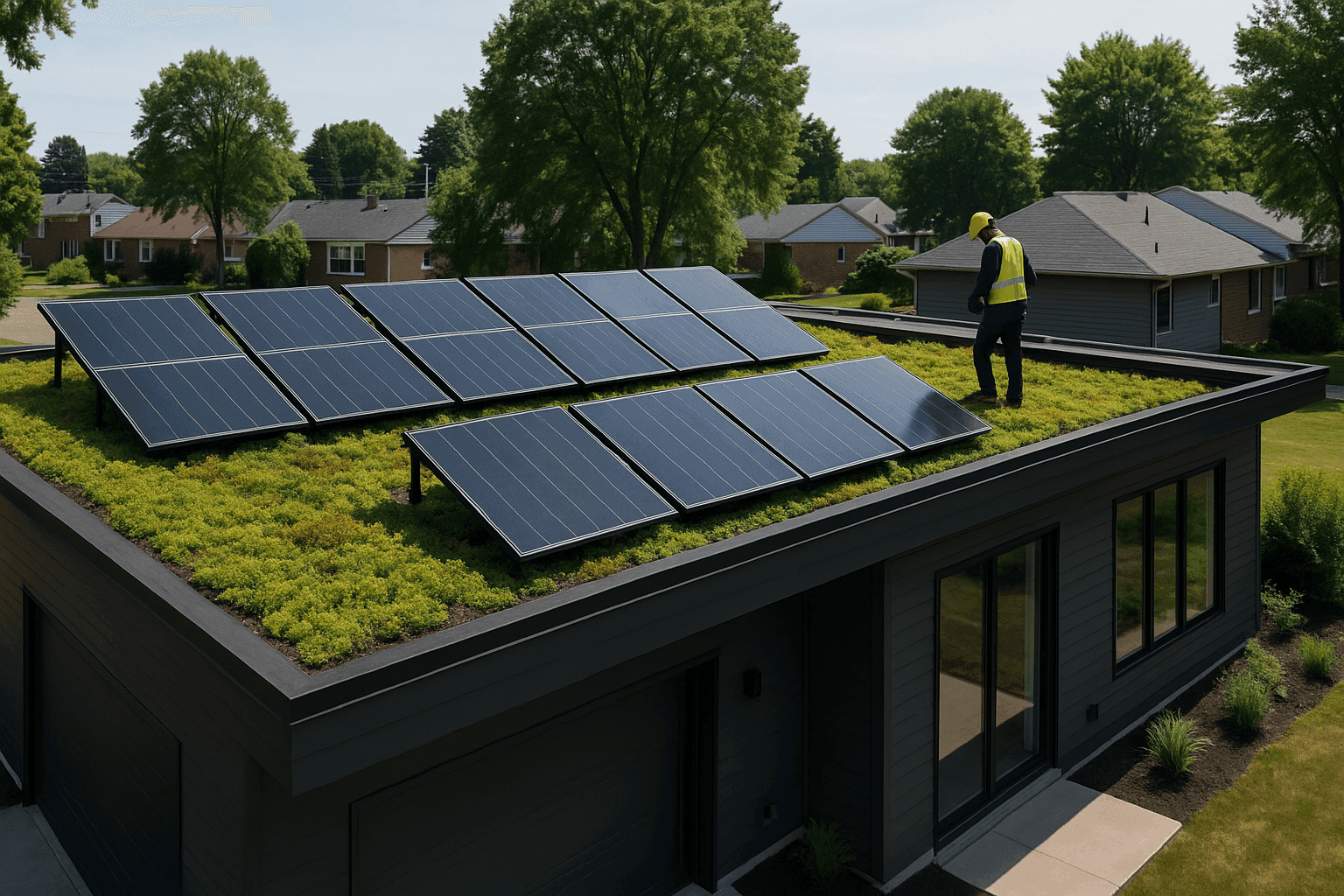
Is your roof working for you—or against your wallet and the world? Today’s homeowners want more than just a layer between them and the weather. They want savings, comfort, and a smaller environmental footprint. At Associated Roofing, we see more families asking about eco-friendly options every year.
The good news? Eco-friendly roofing isn’t just a trend. It’s a practical way to protect your home, slash energy bills, and support a healthier planet. But with so many choices, knowing where to start can feel overwhelming. Let’s break down what matters, what works, and how you can make the best decision for your roof and your budget.
Why Choose Eco-Friendly Roofing? 🌱
Eco-friendly roofing isn’t just about “going green.” It’s about smart, long-lasting investments that pay off in more ways than one:
- Lower energy bills: Cool roofs and modern insulation help keep your home comfortable, using less heating or air conditioning.
- Durability: Many sustainable materials—like metal or tile—last decades longer than traditional options.
- Less landfill waste: Recycled and recyclable materials mean less trash when you eventually replace your roof.
- Healthier indoor air: Some eco-roofing options help reduce mold, mildew, and allergens.
- Added value: Energy-efficient roofs can increase home resale value, according to the U.S. Department of Energy.
Think of your roof as a shield. A traditional roof might block the rain but let energy (and money) leak out. An eco-friendly roof acts like a thermal thermos—keeping comfort in, and waste out.
Top Sustainable Roofing Materials
Today’s green roofs are built to last and to please the eye. Here are some of the best materials making waves in eco-friendly roofing:
Recycled Shingles
- What are they? Shingles made from repurposed materials like rubber, plastic, or wood fiber.
- Benefits: Keeps tons of waste out of landfills and offers good weather resistance. Many recycled shingles look just like classic asphalt or slate.
- Lifespan: Usually 30–50 years with proper care.
Metal Roofing
- Overview: Metal roofs (like steel or aluminum) are often made from recycled content—and are themselves 100% recyclable at end-of-life.
- Why choose it? Reflects sunlight, reducing summer heat gain. Lightweight but tough, with lifespans of 40–70 years.
- Bonus: Compatible with solar panels and rainwater harvesting.
Tile Roofing
- Types: Clay and concrete tiles are natural, durable, and often locally sourced.
- Sustainability: Many tile roofs last a century or more. Their thermal mass helps regulate home temperatures.
- Style: Timeless, with plenty of colors and profiles.
Cool Roofs
- What’s ‘cool’ about them? Special coatings or light-colored materials reflect more sunlight and absorb less heat.
- Result: Lower attic temperatures, which means less AC use during summer months.
- Options: Available for shingles, metal, membranes, and more.
Living Roofs (“Green Roofs”)
- Definition: Roofs partially or completely covered with plants and soil.
- Benefits: Absorb rainwater, cut summer heat, and provide habitat for pollinators.
- Considerations: Best for flat roofs. Need extra support and professional installation.
Energy Efficiency and Insulation
A roof’s true superpower? Its ability to help your home “breathe” in the right ways—keeping heat or cool where you want it and moisture where you don’t.
Ventilation & Insulation: The Dream Team
- Insulation: Acts like a thick blanket. Keeps your home warmer in winter and cooler in summer. The U.S. Department of Energy recommends at least R-30 insulation in attics for most climates.
- Ventilation: Like opening a window just a crack. Proper airflow prevents moisture buildup, reducing the risk of mold, rot, or ice dams.
Gutter Services and Downspouts
- Why they matter: Efficient gutter repair, cleaning, and installation channel water away from your home. This protects both your eco-friendly roof and your foundation.
- Downspouts: Direct rainwater safely; consider rain barrels for extra sustainability.
Professional Inspections
- How often? At least once per year, or after major storms.
- What’s checked: Flashing, sealants, skylights, and other details that, if missed, can cost you energy and comfort.
Making the Switch
Ready to jump in? Here’s how to take action—without stepping onto a slippery slope.
Assessing Product Sustainability
- Certifications: Look for Energy Star, Cool Roof Rating Council (CRRC), or UL Environment labels. These are like a stamp of approval for eco-friendly performance.
- Manufacturer transparency: Reputable brands will share recycled content percentages, lifespan estimates, and maintenance needs.
- Local codes: Check your city or county building codes. Some areas offer rebates or incentives for sustainable roofing (see ENERGY STAR and local government resources).
Budgeting for Eco-Friendly Roofing
- Upfront vs. Lifetime: Green roofs may cost more initially, but their lifespan and energy savings often make up the difference.
- Consider the “hidden” savings: Lower utility bills, reduced repair needs, and even insurance discounts in some regions.
Practical Steps
- Start with an inspection: Know what you have before planning a change.
- Set priorities: Is your main goal energy savings? Curb appeal? Longevity?
- Talk to a pro: Some projects—like skylight repair, decking, or roof replacement—require trained hands and safety expertise.
Green Roofing Best Practices
- Preventative maintenance: Clean gutters and downspouts regularly. Trim nearby trees. Watch for loose flashing or cracked sealants.
- Emergency services: Address leaks or storm damage fast to protect your investment.
- Upgrade when needed: Don’t wait for a roof failure. Proactive roof replacement or repairs save money and stress.
Certifications, Standards, and Safety
Building a sustainable roof isn’t guesswork—there are clear standards to guide you:
- Cool Roof Rating Council (CRRC): Verifies solar reflectance and thermal emittance, making sure “cool roofs” do what they claim.
- Energy Star: Recognizes energy-saving roofing materials.
- UL Environment: Certifies products for recycled content and environmental impact.
- International Building Code (IBC): Sets baseline safety and performance requirements for all residential roofing.
Which Eco-Friendly Roof Fits Your Needs?
Every home is different. Consider your region’s climate, your roof’s pitch, and your long-term plans. A metal roof might be ideal for snowy winters, while tile roofing could shine in hot, dry climates. Want a living roof or solar integration? Flat roofs and strong support structures are key.
Your budget matters, too. But remember: a quality eco-friendly roof isn’t just a purchase—it’s an investment in your home’s comfort and future value.
Frequently Asked Questions
Do eco-friendly roofs require more maintenance?
Not necessarily. Most sustainable materials are as low-maintenance (or lower) than traditional options. Regular inspections and gutter cleaning keep any roof in top shape.
Will an eco-friendly roof look good on my home?
Absolutely. Today’s sustainable roofs come in a range of colors, shapes, and profiles—many are indistinguishable from traditional materials.
How long do green roofing materials last?
Lifespans vary:
- Recycled shingles: 30–50 years
- Metal roofing: 40–70 years
- Tile roofing: 50–100+ years
Routine maintenance and professional installation stretch those numbers even higher.
Can I get tax credits or rebates for an eco-friendly roof?
Many regions offer incentives for energy-efficient roofing. Check with local government offices and the U.S. Department of Energy for up-to-date programs.
Local and Seasonal Considerations
- Storm-prone areas: Metal and tile roofs stand up well to hail and wind.
- Hot climates: Opt for cool roofs or lighter colors to reflect sunlight.
- Cold regions: Insulation and ventilation are critical for ice dam prevention.
- Urban homes: Living roofs or solar-ready metal can maximize small spaces.
No matter where you live, regular inspections and preventative maintenance go a long way.
Choosing eco-friendly roofing is a smart, forward-thinking step. Ready to learn more about green options for your home? Call Associated Roofing now — or reach us anytime at 855-525-5698 .