Metal Roofing for Homes: Benefits, Costs & What to Expect
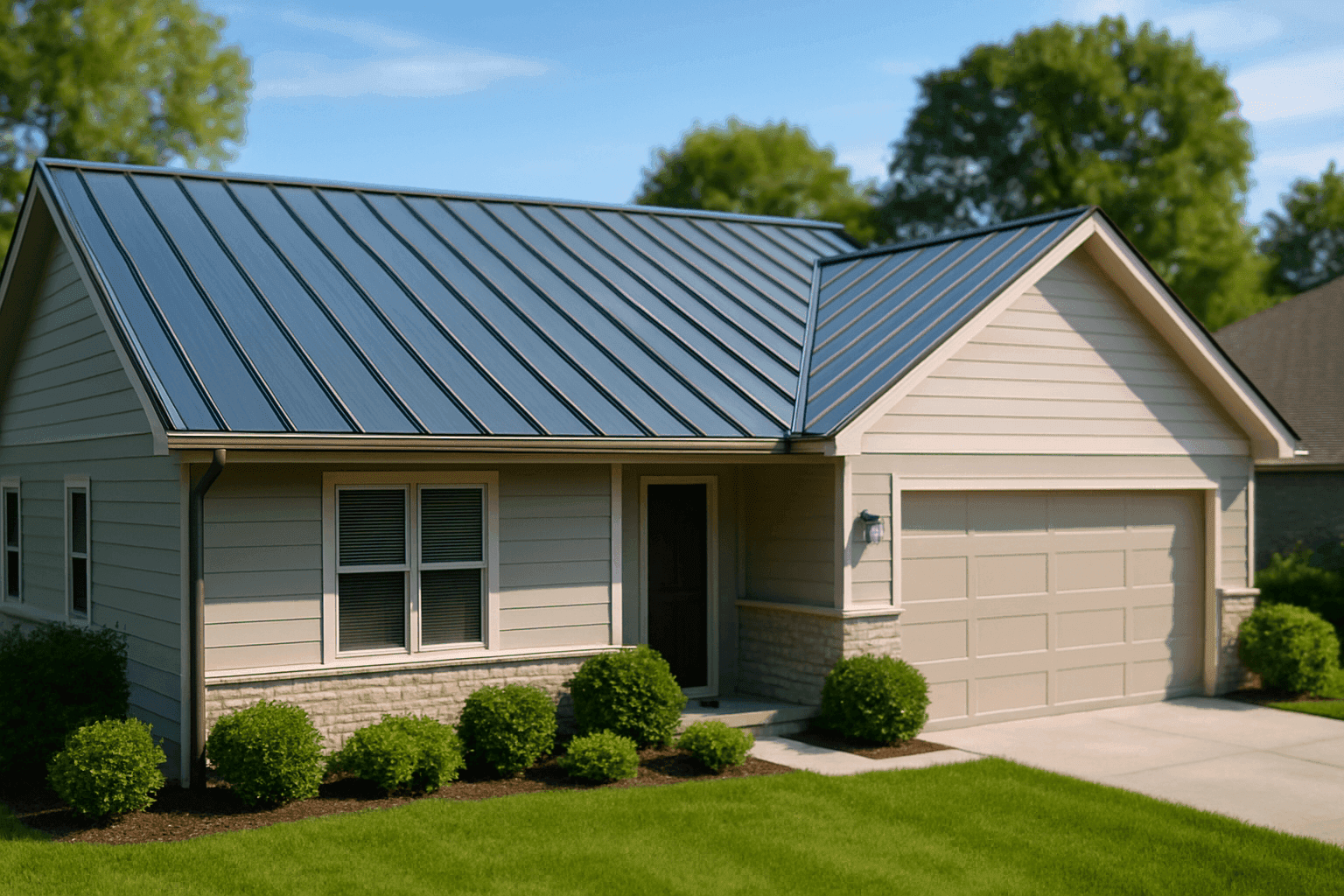
Thinking about a new roof? Maybe your shingles are curling, or a recent storm has you second-guessing every drip and draft. A home's roof is its shield — its very backbone. You want something tough, something energy-wise, and something that lasts.
Metal roofing has become a popular choice for homeowners who want peace of mind. At Associated Roofing, we’ve helped families protect what matters most through every season. Let's break down what metal roofing truly offers, what it costs, and if it fits your needs.
Advantages of Metal Roofing 🏡
Metal roofs are like a suit of armor for your home. But they're not just about brute strength. Here’s why many homeowners are making the switch:
Durability That Endures
- Long Lifespan: Most metal roofs last 40–70 years. Compare that to asphalt shingles, which often need replacing after 15–20 years (source: National Association of Home Builders).
- Weather Resistance: Metal stands up to hail, wind, and fire better than most materials. It won’t rot, warp, or attract pests.
- Storm Performance: In areas with heavy snow or wild storms, metal sheds debris and ice with ease.
Energy Efficiency
- Reflective Surfaces: Metal roofs reflect sunlight, reducing heat absorption. That means lower cooling bills in hot months.
- Cool Roof Coatings: Special finishes can boost reflectivity and help meet ENERGY STAR® standards.
- Insulation Compatibility: Paired with proper insulation and ventilation, metal roofing helps keep your home comfortable year-round.
Low Maintenance Needs
- Few Repairs: No cracked tiles or missing shingles to chase after each windstorm.
- Easy Cleaning: Debris (like leaves or pine needles) is less likely to stick, making gutter cleaning simpler.
- Rust Resistance: Modern coatings prevent corrosion, even in wet climates.
Noise and Comfort
- Sound Control: With quality underlayment and attic insulation, most homeowners report noise is no greater than with other roofs. The myth of the “tin drum” is history.
- Custom Looks: Metal comes in many styles — from standing seam to shingle-mimicking panels — and a rainbow of colors.
Cost Factors and ROI
Price matters. Metal roofing costs more upfront than some other materials, but it’s a marathon runner, not a sprinter. Here’s what to expect:
Material Choices
- Steel: The most common and budget-friendly. Galvanized or galvalume steel offers strength and corrosion resistance.
- Aluminum: Lightweight and rustproof. Good for coastal homes.
- Copper & Zinc: High-end options, stunning appearance, and exceptional longevity — but with a premium price tag.
Labor and Installation
- Skilled Work: Metal roofing installation takes specialized training. Labor is a significant part of the cost, but it pays off in fewer leaks and longer life.
- Roof Complexity: Steep slopes, multiple dormers, skylights, or chimneys add to labor time and material waste.
Price Ranges
- Material: Roughly $5–$15 per square foot, depending on type and finish.
- Labor: Often $3–$10 per square foot.
- Total Installed: Many homeowners invest $15,000–$45,000 for a typical roof, but size, shape, and features matter.
Long-Term Savings
- Lower Maintenance: Fewer repairs and replacements.
- Energy Bills: Reflective coatings can reduce summer cooling costs by 10–25% (source: U.S. Department of Energy).
- Insurance Breaks: Some insurers offer discounts for fire- and hail-resistant roofing.
ROI (Return on Investment)
- Resale Value: Homes with metal roofs may recover up to 85% of the cost at resale, according to Remodeling Magazine’s Cost vs. Value Report.
- Warranty Coverage: Many systems come with 30–50 year warranties — some even longer for certain materials.
Installation Process
Wondering what happens when you choose a metal roof? Here’s a peek behind the curtain.
Step 1: Inspection & Planning
- Assessment: A thorough roof inspection spots issues with decking, flashing, or insulation.
- Material Selection: Work with your installer to pick the right panel, color, and coating for your climate and style.
Step 2: Preparation
- Tear-Off: Old roofing is removed (unless installing over an existing roof, which is sometimes allowed by local codes).
- Decking Repair: Damaged wood is replaced to provide a solid base.
- Underlayment: High-quality synthetic or self-adhering underlayment is rolled out to prevent leaks.
Step 3: Installation
- Panel Placement: Metal panels (or shingles) are measured, cut, and securely fastened to the roof deck.
- Flashing & Details: Flashing is installed around chimneys, skylights, and valleys to direct water away from vulnerable areas.
- Ventilation: Proper attic ventilation ensures energy efficiency and reduces the risk of condensation.
Step 4: Final Inspection
- Quality Check: Every fastener, seam, and edge is reviewed.
- Cleanup: Jobsite is cleared of debris, stray nails, and old materials.
Performance in All Climates
- Hot & Sunny: Metal reflects heat, helping keep attics cooler.
- Cold & Snowy: Snow slides off easily, reducing ice dam risk.
- Wet & Windy: Panels are resistant to wind uplift and heavy rain when properly installed.
Is a Metal Roof Right for You?
Choosing a roof is a big decision — like picking the right boots for a long hike. Here’s a straightforward look at the upsides and downsides.
Pros
- Exceptional lifespan (often 2–3 times longer than asphalt)
- Withstands extreme weather
- Energy-efficient
- Wide range of styles and colors
- Low maintenance
Cons
- Higher upfront cost
- Needs professional installation
- May dent from large hail (especially softer metals like aluminum)
- Requires proper attic insulation to minimize potential noise
Tips for Choosing an Installer
- Look for Experience: Not all roofing pros have metal expertise. Ask about previous projects and certifications.
- Check References: Ask for photos, customer reviews, or addresses of completed work.
- Review Warranties: Understand what’s covered by the manufacturer and what’s covered by the installer. Many reputable systems offer 30–50 year warranties.
- Licensing & Insurance: Make sure your installer meets local licensing requirements and carries liability insurance.
- Local Codes: Confirm your roofing choice meets building codes and, if relevant, HOA rules.
Frequently Asked Questions
How long does a metal roof really last?
Most systems last 40–70 years, with proper maintenance. Copper and zinc roofs can last even longer.
Will a metal roof make my home noisy when it rains?
Not with modern installation methods. Proper underlayment and insulation dampen sound, making rain no louder than with a shingle roof.
Can I walk on a metal roof?
With care, yes — but it depends on the style and slope. Always use caution and check manufacturer guidelines.
Are metal roofs safe in a lightning storm?
Yes. Metal roofs do not increase the chance of a lightning strike. If struck, metal safely dissipates the energy.
Local & Seasonal Considerations
- Storm-Prone Areas: Metal’s impact resistance is a major plus in hail zones.
- Wet Climates: Choose rust-resistant finishes and keep gutters clear.
- Hotter Regions: Light colors and reflective coatings help reduce cooling costs.
- Snowy Winters: Steep slopes shed snow; snow guards can prevent sudden slides above walkways.
For authoritative guidelines, review recommendations from the Metal Construction Association and local building codes.
A new roof is an investment in your home’s future. If you’re considering metal roofing, Associated Roofing is here to answer your questions and help you weigh your options.
Call Associated Roofing now — or reach us anytime at 855-525-5698 .